How much are you consuming genetically altered foods?
The genetic engineering of plants and animals is at an all time high in the 21st century.
Grocery stores and our kitchen pantries are being invaded by genetically altered foods because our most important staple food crops are being corrupted.
Scientist discovered they take the genetic material from one organism and insert it into the permanent genetic code of another. They have now come up with some creations such as:
Potatoes with bacteria genes
Pigs with human growth genes
fish with cattle growth gene
Tomatoes with flounder genes
...and thousands of other plants, animals and insects.
Currently, up to 40 percent of U.S. corn is genetically engineered as is 80 percent of soybeans.
It has been estimated that around 60 percent of processed foods on supermarket shelves contain genetically engineered ingredients. It could be anything from soda, soup, crackers to condiments.
How does genetically engineered food effects you?
Not only could genetically engineered foods pose a serious risk on humans, it also causes risk to animals, our enviroment and wildlife.
Human Health effects include:
Higher risks of toxicity
Allergenicity
Antibiotic resistance
Immune-suppression
Cancer
Environmental Impacts:
Biological pollution
Threatening numerous microbial
Plant Extinction
Animal Extinction
Potential contamination of all non-genetically engineered life forms
The Center for Food Safety
Wednesday, February 6, 2008
Genetically Altered Foods in Grocery Stores

Wednesday, January 30, 2008
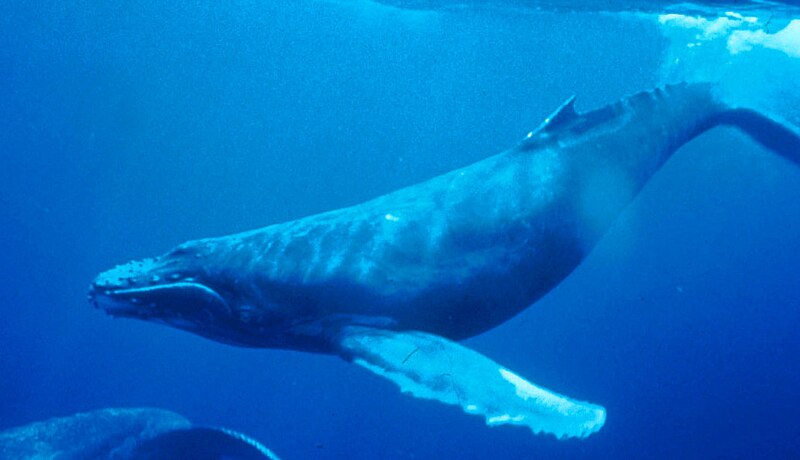
Endangered Species




Wednesday, January 23, 2008
 Image from
Wednesday, January 16, 2008
Environmental Organizations
Which organization would you join?
Greenpeace
© Greenpeace

Their mission statement is "Greenpeace is the leading independent campaigning organization that uses peaceful direct action and creative communication to expose global environmental problems and to promote solutions that are essential to a green and peaceful future."
Greenpeace was created in 1971 when determined activist came together to make a change in the environment. They have grown to be an international organization with offices in more than 30 countries. The members of the organization provide all of their funding through individual contributions.
National Resource Defense Council
© Natural Resources Defense Council Photo Credit: © Steve Bloom

The National Resource Defense Council has a lengthy mission statement. Their mission statement is basically "The Natural Resources Defense Council's purpose is to safeguard the Earth: its people, its plants and animals and the natural system on which life depends. We work to restore the integrity of the elements that sustain life --air, land and water -- and to defend endangered natural places."
NRDC has 1.2 million members and online activists of the natural resources defense council. One of their most recent accomplishments happened two years ago when NRDC drafted sponsored and helped California pass the Global Warming Solutions Act which they say to be the nation's most ambitious law to limit statewide global warming pollution. The President of NRDC Frances Beinecke says "This is a group that looks at the world's most urgent environmental problems of our time -- global warming, oil dependence, toxic pollution, emptying oceans, disappearing wild lands -- and says, 'We can solve them."
Wild Spots Foundation
designed & maintained by Aydelette at akcreative.com

Wild Spots Foundation missions statement is " Wild Spots Foundation saves habitats of endangered species. Wild Spots Foundation is uniquely dedicated to saving valuable habitats around the world through a variety of programs that promote, defend, and protect biodiversity through education, visual arts, ecotourism, science and technology."
Wild Spots was organized in March of 2002 by Dr. Barry Barker and a small group of individuals who had been traveling together since 1985. Wild Spots currently has two ongoing projects. One project in Wolong, China which takes places in the Wolong Panda Institute. The other project takes place in Baños, Ecuador and the San Martin Zoological Park. This park is now studying biodiversity.
designed & maintained by Aydelette at akcreative.com


Personally I would choose Wild Spots Foundation. The reason for this is because I would want to be apart of the research. I think with this Foundation I could be involved and travel to these two locations that they are currently apart of. It is a recent foundation so there are not many members and definitely not as known as the other two. Regardless the foundation has lots of love and concern for the environment and the habitat. Wild Spots may not have as much force or effect on the world as a whole, but can make just as much of an impact where they do travel and research.